



the mostStylish Neighbourhoods In London
Published 19th April 2026 | London, England
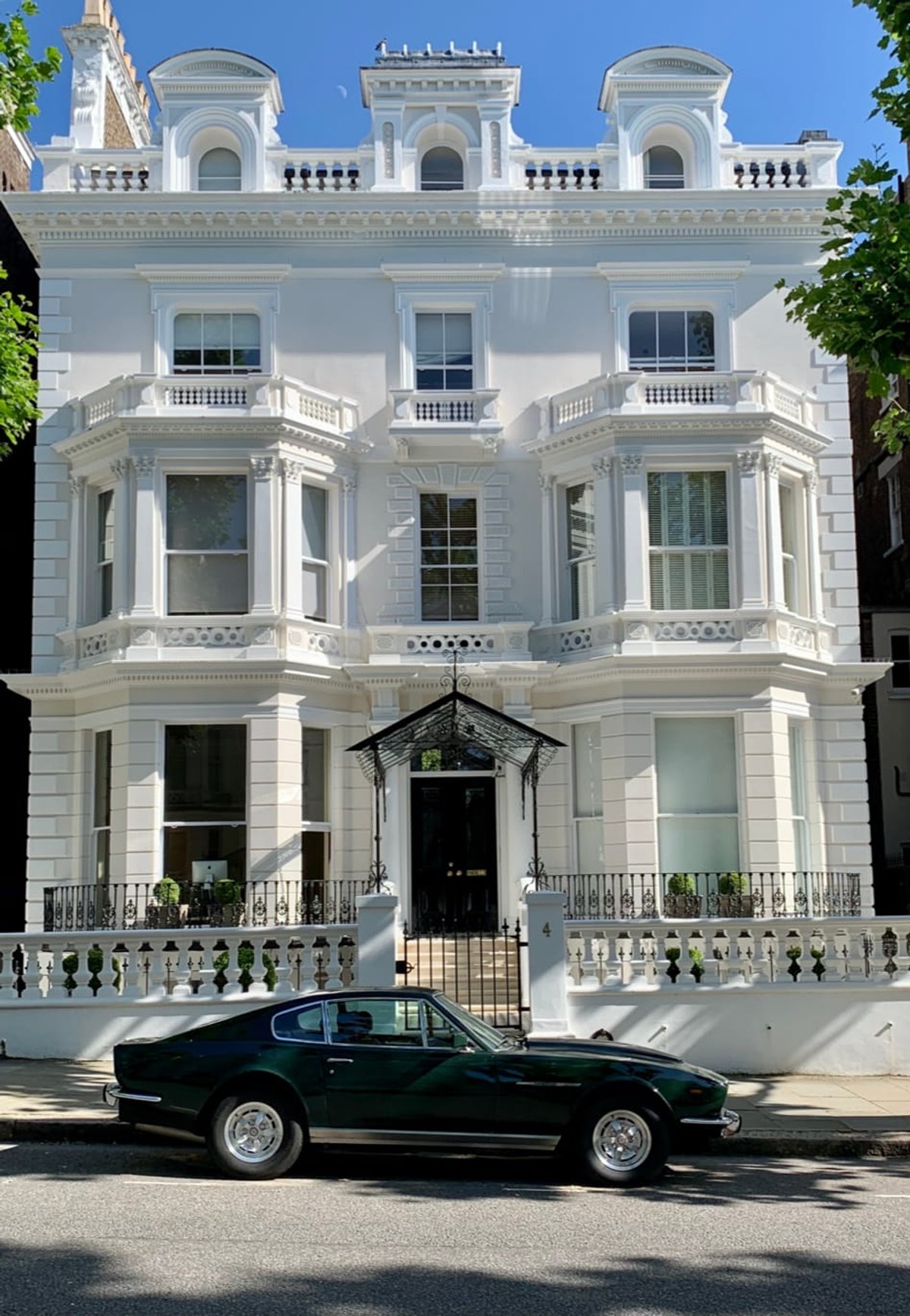
London is a city defined by its neighbourhoods. Every area has its own rhythm, atmosphere and visual identity shaped by architecture, cafés, fashion, galleries and the people who spend time there. One street can feel polished and elegant while another feels creative, chaotic and deeply connected to music or art culture. That contrast is exactly what makes London style so interesting.
The most stylish areas in London are not necessarily the most expensive or the most photographed. Often, the places with the strongest sense of identity are the neighbourhoods where fashion, culture and creativity naturally overlap. Independent bookshops sit beside wine bars. Designers work from converted studios above cafés. Vintage stores, flower markets and art galleries all exist within the same few streets.
Part of the appeal of London lifestyle is this constant mix of old and new. Historic architecture sits beside contemporary design. Tailoring mixes with streetwear. Luxury fashion exists alongside markets and independent creatives. From elegant West London streets to East London creative hubs, these are some of the most stylish neighbourhoods in London right now.
Notting Hill
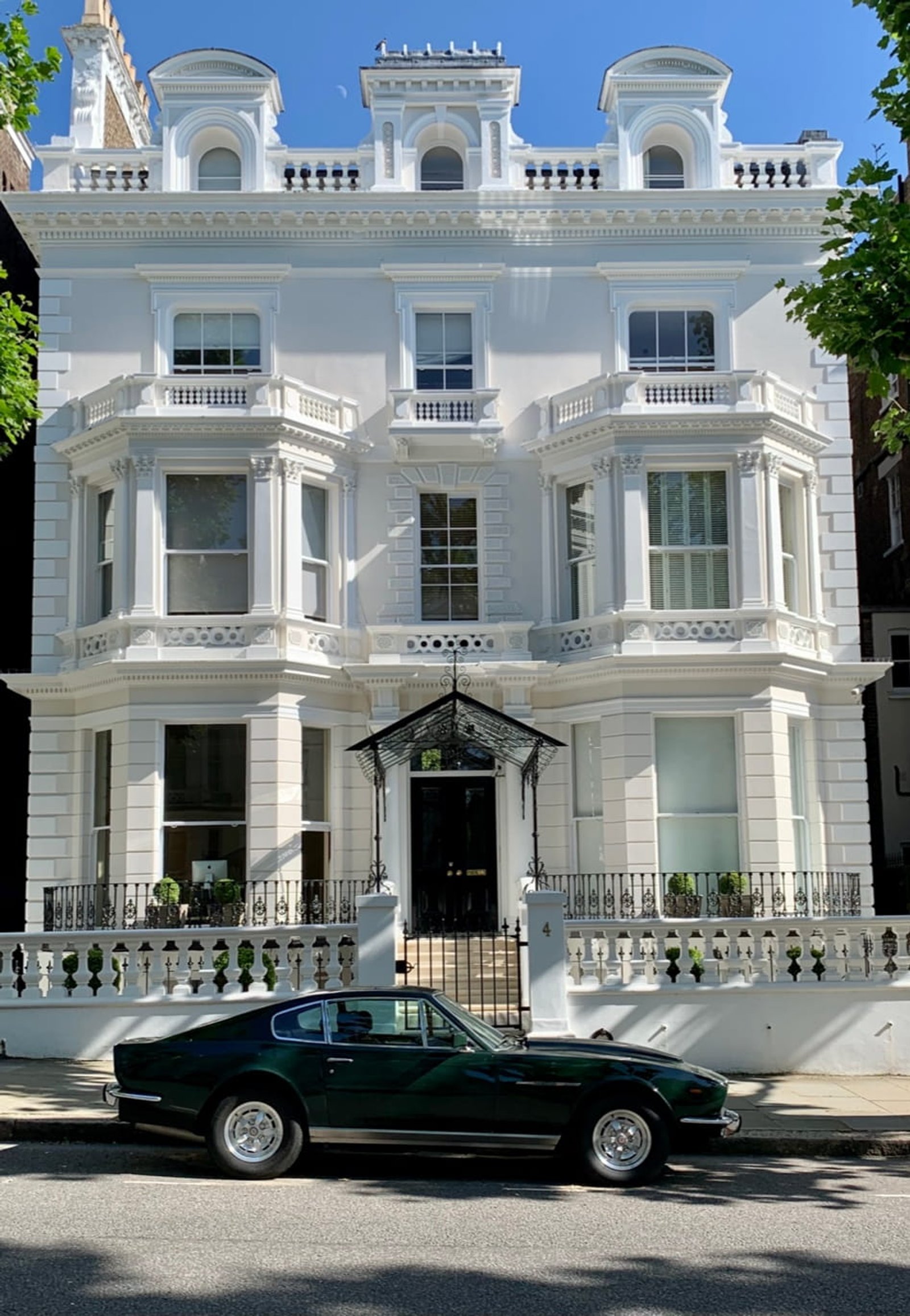
Notting Hill remains one of the most visually recognisable neighbourhoods in London, but its appeal goes far beyond pastel houses and film references.
The area has long been associated with fashion, antiques and creative culture. Portobello Road Market continues attracting stylists, vintage collectors and designers searching for everything from archive fashion to antique jewellery and art. Around the market itself, independent cafés, boutiques and bookstores create an atmosphere that feels relaxed but deeply curated. Style in Notting Hill tends to feel polished yet understated. Linen tailoring, vintage denim, oversized sunglasses and beautifully cut outerwear dominate the streets, particularly on weekends. There is also a timelessness to the area that continues attracting fashion creatives and photographers year after year.
Shoreditch
Few neighbourhoods have shaped contemporary London culture as much as Shoreditch.
Once defined primarily by underground nightlife and warehouse spaces, the area has evolved into one of the city’s creative centres. Fashion studios, coffee shops, galleries, vintage stores and design agencies now sit throughout the neighbourhood, creating a constant sense of creative movement.
Shoreditch style feels more experimental than many other parts of London. Oversized tailoring, streetwear, vintage sportswear and minimalist monochrome dressing all exist side by side. The influence of music, art and digital culture feels particularly strong here. Part of what keeps Shoreditch relevant is that it still changes constantly. New restaurants, concept stores and galleries continue reshaping the area while maintaining its creative identity.
Marylebone
Marylebone offers a quieter and more refined version of London style.
The neighbourhood combines elegant Georgian streets with independent fashion boutiques, cafés and some of the city’s most beautiful bookstores. Chiltern Street especially has become closely associated with contemporary luxury and understated fashion culture. Marylebone style leans heavily into quiet luxury aesthetics. Neutral tailoring, beautifully cut coats, leather accessories and minimalist dressing dominate the area. Everything feels considered without appearing overly trend-driven.
The neighbourhood also balances sophistication with calmness in a way that feels increasingly rare within central London.
Soho
Soho remains one of the cultural hearts of London.
Fashion, music, film and nightlife have always intersected here, creating a neighbourhood that feels energetic and slightly unpredictable at all times. Independent record stores sit beside late-night restaurants, theatres and historic cafés that have shaped London creative culture for decades.
Style in Soho reflects this diversity. Fashion editors, musicians, designers and artists all move through the same streets daily, creating an atmosphere where tailoring, vintage fashion, leather jackets and minimalist eveningwear naturally coexist. Part of Soho’s charm is that it never feels overly polished. The energy remains slightly chaotic in the best possible way.
Clerkenwell
Clerkenwell often feels slightly overlooked compared to more obvious fashionable neighbourhoods, but its influence within London design culture is enormous.
The area has become especially popular among architects, designers and creative agencies thanks to its industrial buildings, converted warehouses and quieter atmosphere. Restaurants, wine bars and contemporary galleries contribute to a neighbourhood that feels highly curated without becoming performative.
Fashion here tends to reflect the area’s design-focused identity. Relaxed tailoring, understated knitwear and minimal monochrome outfits dominate, often styled with practical leather accessories and trainers. It feels creative but mature.
Hackney
Hackney continues shaping much of East London’s wider cultural identity.
Broadway Market, London Fields and nearby streets remain filled with independent cafés, vintage stores, flower markets and creative studios. The atmosphere feels local and community-focused despite the area’s growing popularity.
Fashion in Hackney leans heavily into individuality. Vintage clothing, oversized silhouettes, relaxed sportswear and layered styling all feel particularly connected to the area’s creative energy. Part of what makes Hackney so stylish is that people dress instinctively rather than too consciously. The result feels more authentic and personal than trend-driven.
Chelsea
Chelsea represents a more classic and timeless version of London luxury.
Historic townhouses, galleries and elegant boutiques create an atmosphere rooted in traditional sophistication, particularly around the King’s Road and Chelsea Green. However, the area has evolved significantly in recent years, blending classic elegance with younger contemporary fashion culture.
Tailoring, knitwear and elevated neutral dressing dominate the streets here. The styling feels polished but less formal than previous generations of Chelsea style. The area also remains deeply connected to London’s art world through its galleries and cultural institutions.
Why London Neighbourhoods Shape Style
Part of what makes London fashion so distinctive is that different areas of the city influence style in completely different ways. People often dress in response to the atmosphere surrounding them.
A day in Shoreditch feels visually different from a day in Marylebone or Chelsea. Cafés, architecture, music venues and galleries all contribute to the identity of a neighbourhood and, by extension, the way people style themselves within it.
This relationship between fashion and environment remains one of the most interesting parts of London lifestyle. The city constantly evolves, but its neighbourhoods continue shaping creativity, culture and style in deeply individual ways.