

theRise Of The Modern Minimalist Wardrobe
Published 19th August 2025 | London, England
Minimalism has returned to fashion many times before, but the version emerging now feels fundamentally different.
Earlier minimalist eras often focused heavily on restraint, uniformity and perfection. The minimalist fashion 2026 movement still values simplicity, but it feels softer, more emotional and more connected to real life. Rather than dressing to appear untouchable or highly curated, people are increasingly building wardrobes around ease, longevity and instinctive personal style.
The modern minimalist wardrobe is less about strict rules and more about thoughtful choices.
Across fashion, consumers are moving away from fast-moving trends and towards clothing that feels versatile, wearable and emotionally grounding. Elevated basics, relaxed tailoring, premium fabrics and tonal dressing have become central to contemporary wardrobes because they offer calmness within an overstimulated culture.
Importantly, minimalism today is not about deprivation or eliminating personality. It is about clarity. People increasingly want wardrobes that feel coherent, functional and adaptable without sacrificing individuality or beauty.
The rise of the capsule wardrobe reflects much more than aesthetics alone. It reflects changing lifestyles, emotional priorities and a wider cultural shift towards slower, more intentional dressing.
Why Minimalism Returned
Fashion often reflects emotional mood as much as visual trends.
After years dominated by hyper-visibility, fast trend cycles and social media-driven aesthetics, consumers became exhausted by excess. Endless microtrends created wardrobes filled with temporary purchases while constant digital exposure encouraged highly performative dressing.
People began craving simplicity.
Minimalism returned partly because it offered relief from overstimulation. Neutral palettes, soft tailoring and elevated dressing created a sense of calmness that resonated emotionally during a period defined by uncertainty and digital fatigue.
The pandemic accelerated this shift significantly. As lifestyles changed, people reassessed what they actually wore and valued daily. Comfort, versatility and emotional ease became more important than trend visibility.
Minimalist dressing suited modern life more naturally than highly performative fashion.
The Modern Minimalist Wardrobe Feels Softer
Unlike previous minimalist eras, contemporary minimalism feels warmer and more human.
The minimalism associated with the 1990s often appeared highly structured and emotionally distant. Sharp tailoring, monochrome palettes and clinical simplicity dominated many iconic fashion images of that period.
Today’s minimalist fashion 2026 movement feels more relaxed and tactile.
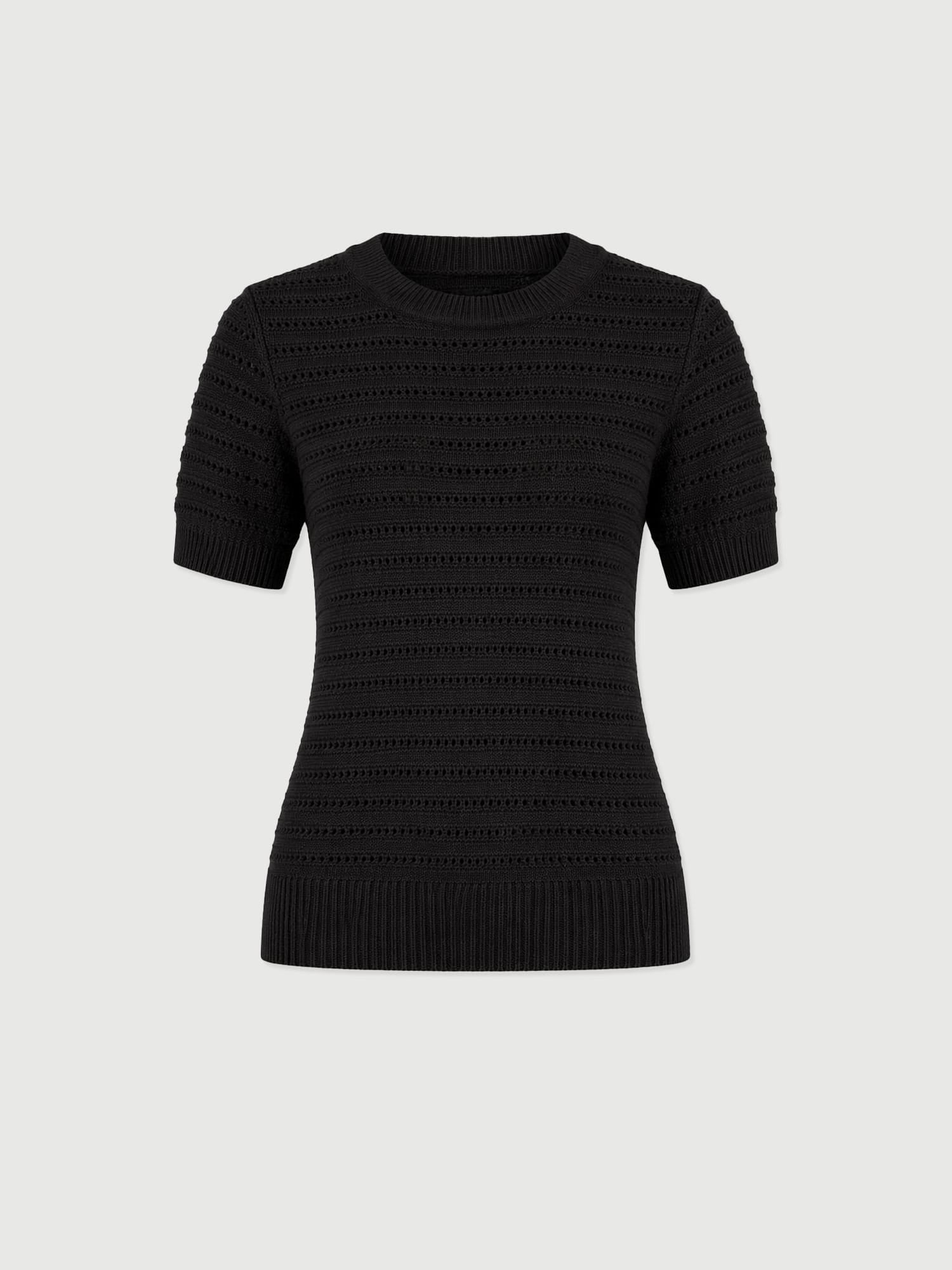
Soft wool tailoring, fluid trousers, brushed knitwear and washed cotton shirts dominate contemporary wardrobes. Fabrics move naturally and feel comfortable rather than rigid or formal. Silhouettes allow ease of movement while still maintaining elegance.
Texture also plays a much bigger role.
Rather than relying purely on visual simplicity, modern minimalist wardrobes create interest through fabric quality, layering and subtle tonal variation. Softness itself has become one of the defining characteristics of modern luxury dressing.
Elevated Dressing Replaced Formality
One of the biggest reasons minimalist wardrobes have become so popular is because traditional dress codes matter less than before.
Modern lifestyles are increasingly fluid. People move between offices, cafés, travel and home throughout the same day. Workwear overlaps with casualwear. Formal dressing has become less rigid across most industries.
As a result, consumers increasingly build wardrobes around elevated dressing rather than traditional occasion categories.
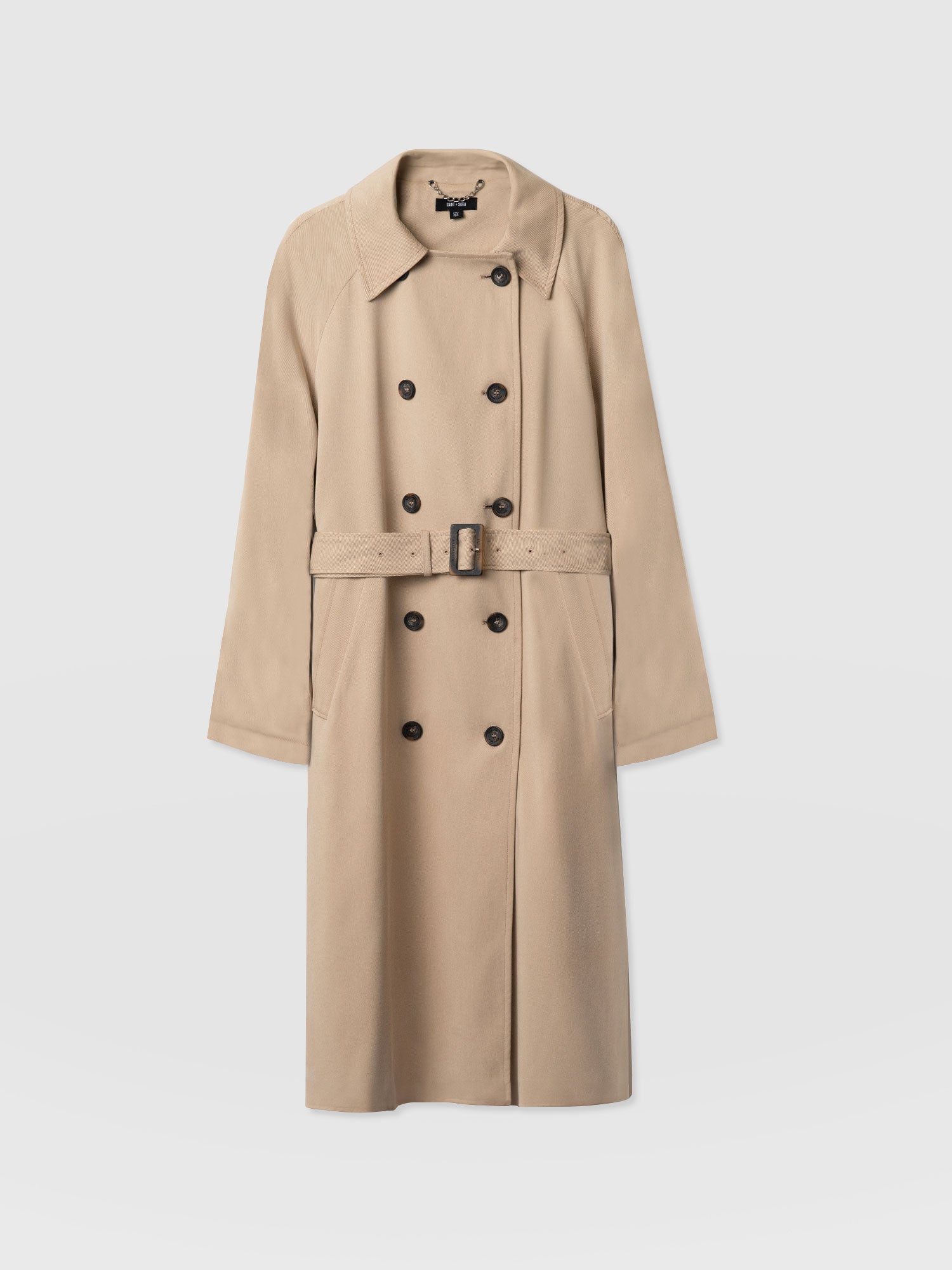
Relaxed tailoring, premium knitwear, oversized shirts and versatile outerwear dominate because they work naturally across multiple environments. Clothing needs to feel polished without becoming restrictive or overly formal.
Minimalist wardrobes succeed because they support flexibility and ease while still feeling sophisticated.
The Capsule Wardrobe Became Aspirational
The rise of the capsule wardrobe also reflects changing attitudes towards consumption itself.
For years, fashion encouraged constant purchasing through trend cycles moving at extraordinary speed. Increasingly, however, consumers want wardrobes built around longevity and emotional connection rather than endless novelty.
The capsule wardrobe offers exactly that.
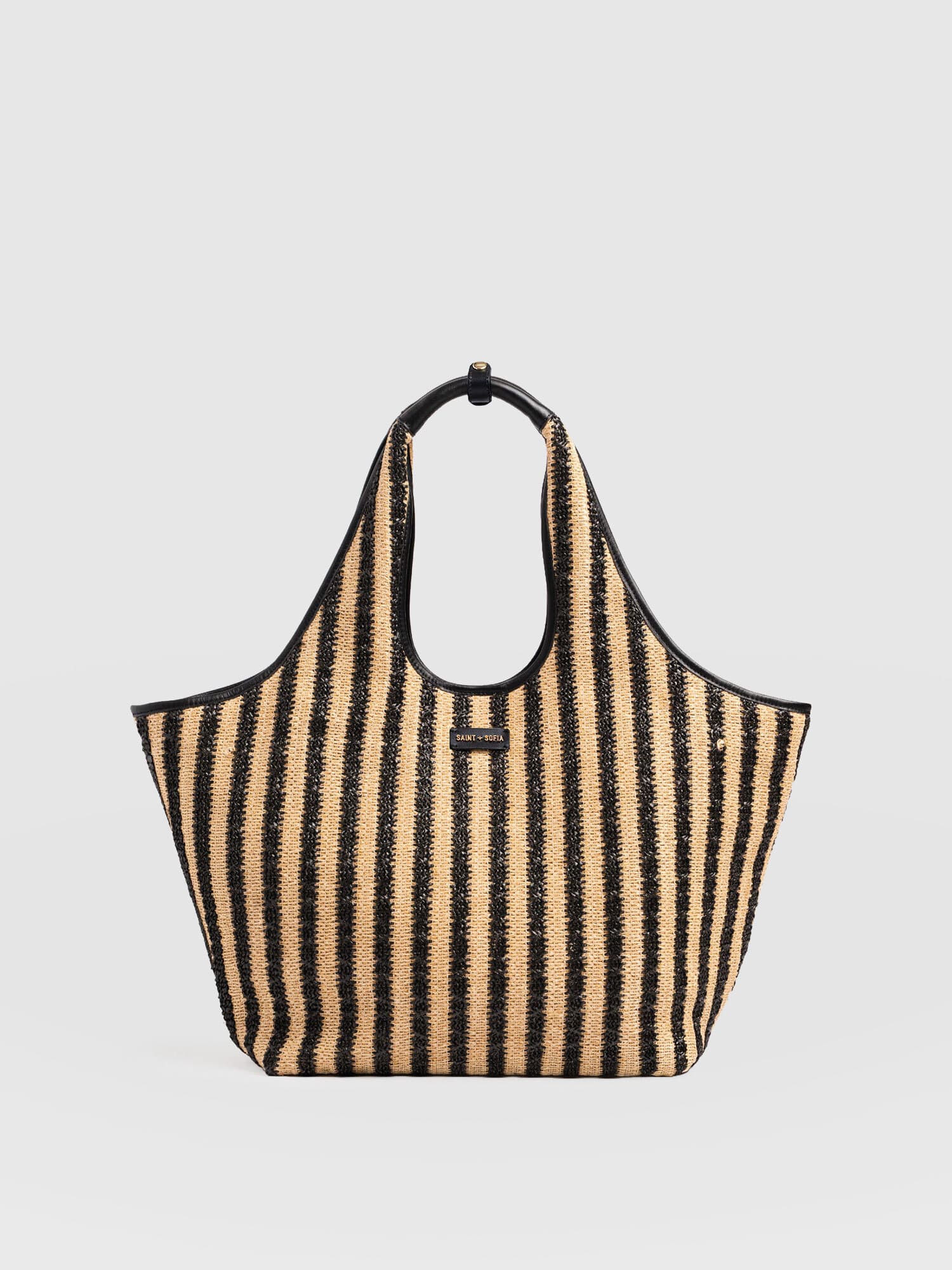
Rather than focusing on quantity, people invest in fewer pieces that work together cohesively. A beautifully cut blazer, relaxed trousers, premium denim, versatile knitwear and timeless outerwear become the foundation of everyday dressing.
Importantly, this approach often feels more luxurious than trend-heavy wardrobes because quality and wearability become central priorities.
Consumers increasingly understand that great style often comes from repetition and consistency rather than constant reinvention.
Quiet Luxury Changed Everything
The rise of quiet luxury dramatically accelerated minimalist dressing.
Brands such as The Row, Phoebe Philo and Loro Piana helped redefine contemporary aspiration through understated tailoring, exceptional fabrics and restrained visual language. Logos disappeared. Colour palettes softened. Luxury became quieter and more emotionally intelligent.
This aesthetic spread rapidly because it reflected wider cultural desires around calmness, softness and control.
Minimalist wardrobes suddenly felt aspirational not because they appeared simple, but because they communicated ease and confidence. The ability to dress beautifully without obvious effort became highly desirable within contemporary culture.
Even brands outside traditional luxury spaces adopted elements of this visual language through tonal styling, clean silhouettes and elevated basics.
Minimalism And Personal Style
Interestingly, today’s minimalist wardrobes often create more room for personal style rather than less.
Earlier minimalist movements sometimes encouraged rigid uniformity. Contemporary minimalism feels more adaptable because it focuses on building strong foundations rather than strict aesthetic rules.
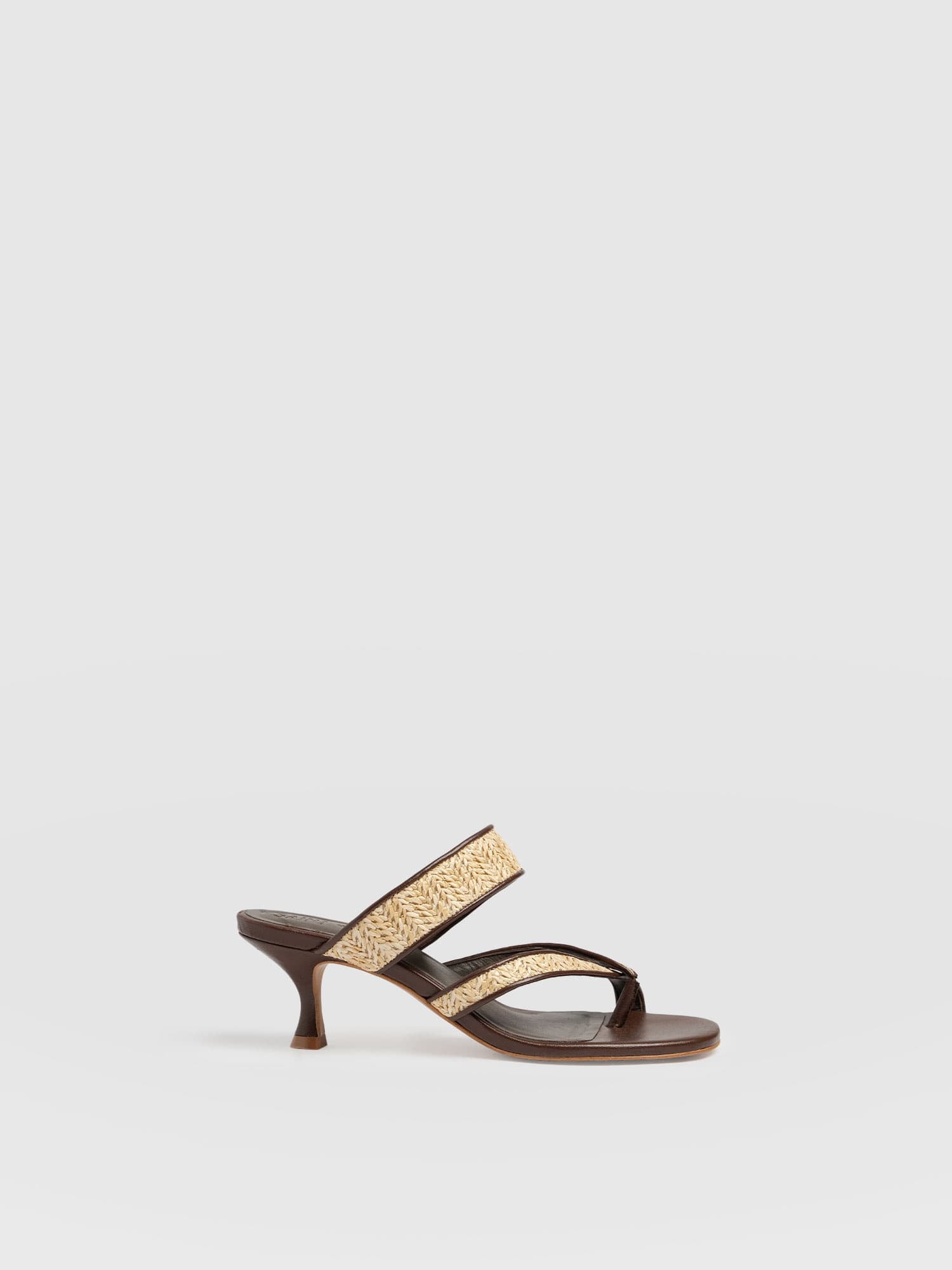
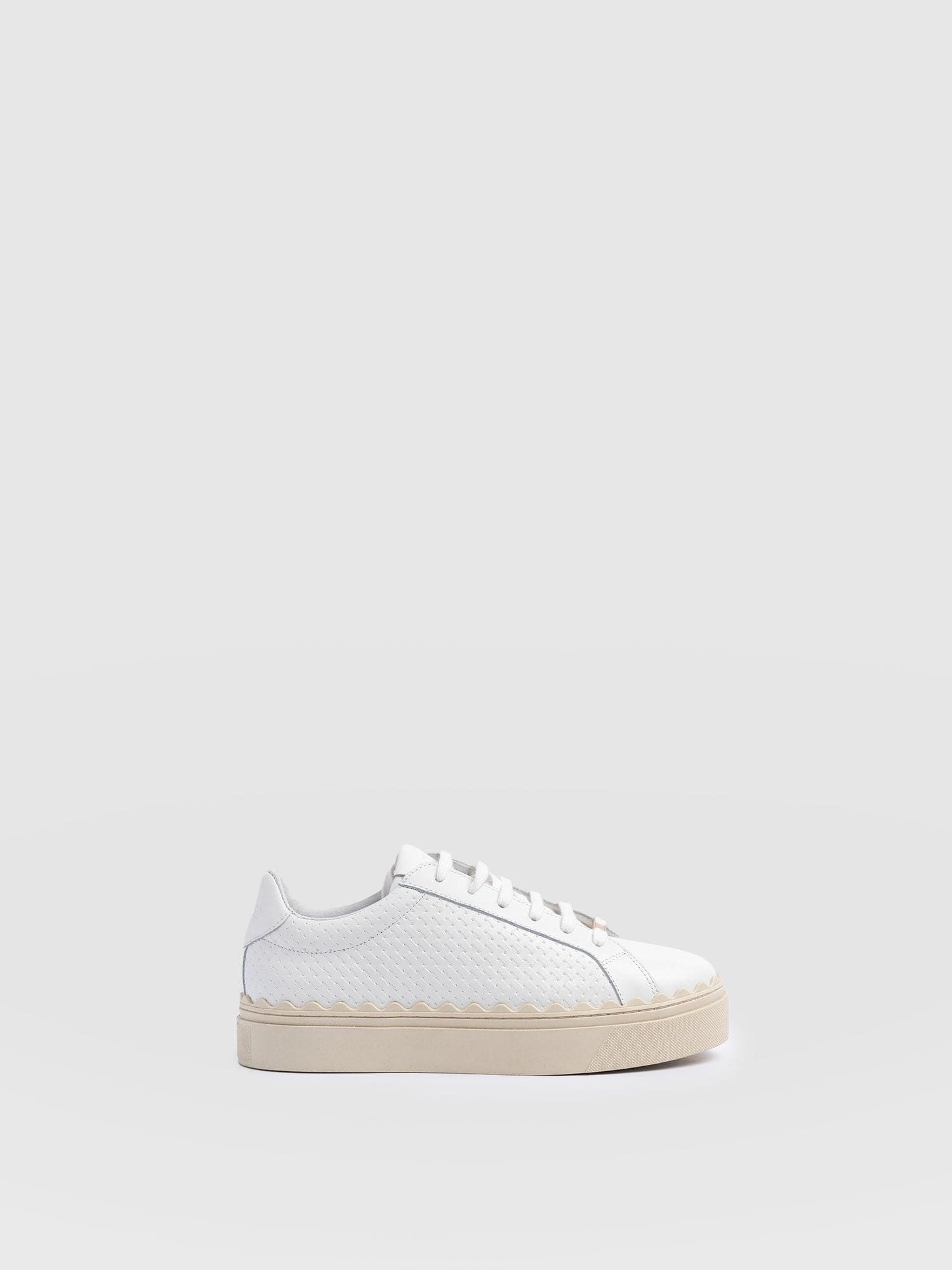
Consumers increasingly personalise minimalist wardrobes through jewellery, vintage pieces, footwear, texture and styling choices rather than trend-heavy clothing itself.
This flexibility makes minimalism feel emotionally sustainable.
A strong capsule wardrobe allows individuality to evolve gradually over time rather than forcing constant aesthetic reinvention. Clothing becomes part of real life rather than performance.
The most stylish minimalist wardrobes rarely feel overly perfect. Instead, they feel instinctive, lived-in and emotionally connected to the person wearing them.
Fabric Became More Important
The rise of minimalist dressing also shifted attention back towards fabric quality.
When clothing becomes visually simpler, construction, fit and material matter far more. Consumers increasingly recognise the difference between beautifully sourced fabrics and cheaper alternatives because minimal wardrobes rely heavily on texture and wearability.
Soft wool, washed cotton, linen blends and premium knitwear dominate contemporary fashion because they create emotional comfort alongside visual elegance.
At Saint and Sofia, this relationship between fabric and everyday wearability sits at the centre of product development. Modern wardrobes increasingly demand softness, movement and versatility because people expect clothing to support real lifestyles rather than simply photographs.
Luxury today is often communicated through touch rather than logos.
Neutral Dressing Feels Calming
Colour psychology also plays an important role in the popularity of minimalist wardrobes.
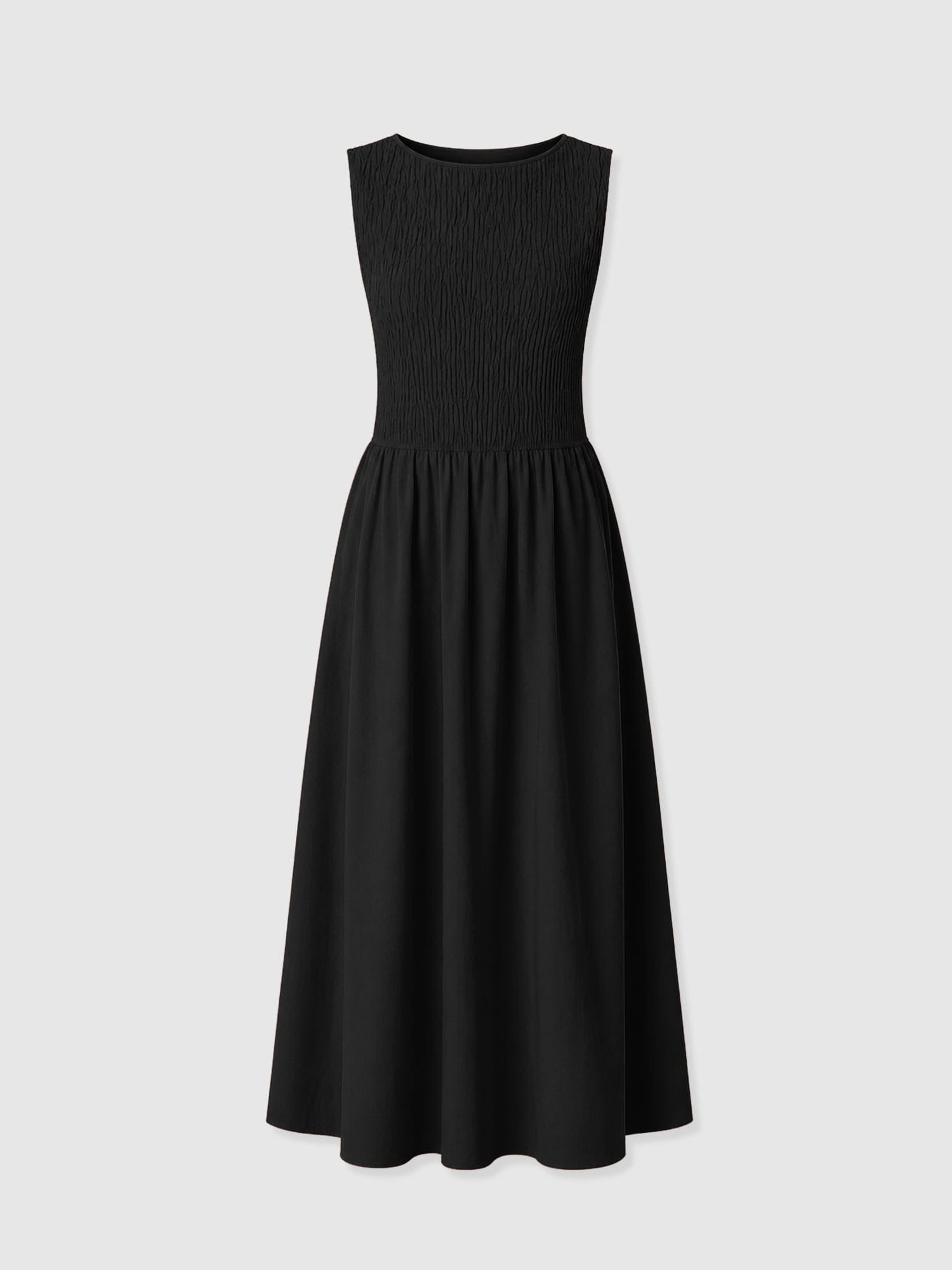
Neutral palettes feel calming within overstimulated environments. Cream, black, grey, navy, chocolate brown and soft beige tones create visual coherence and emotional ease that many consumers deeply connect with right now.
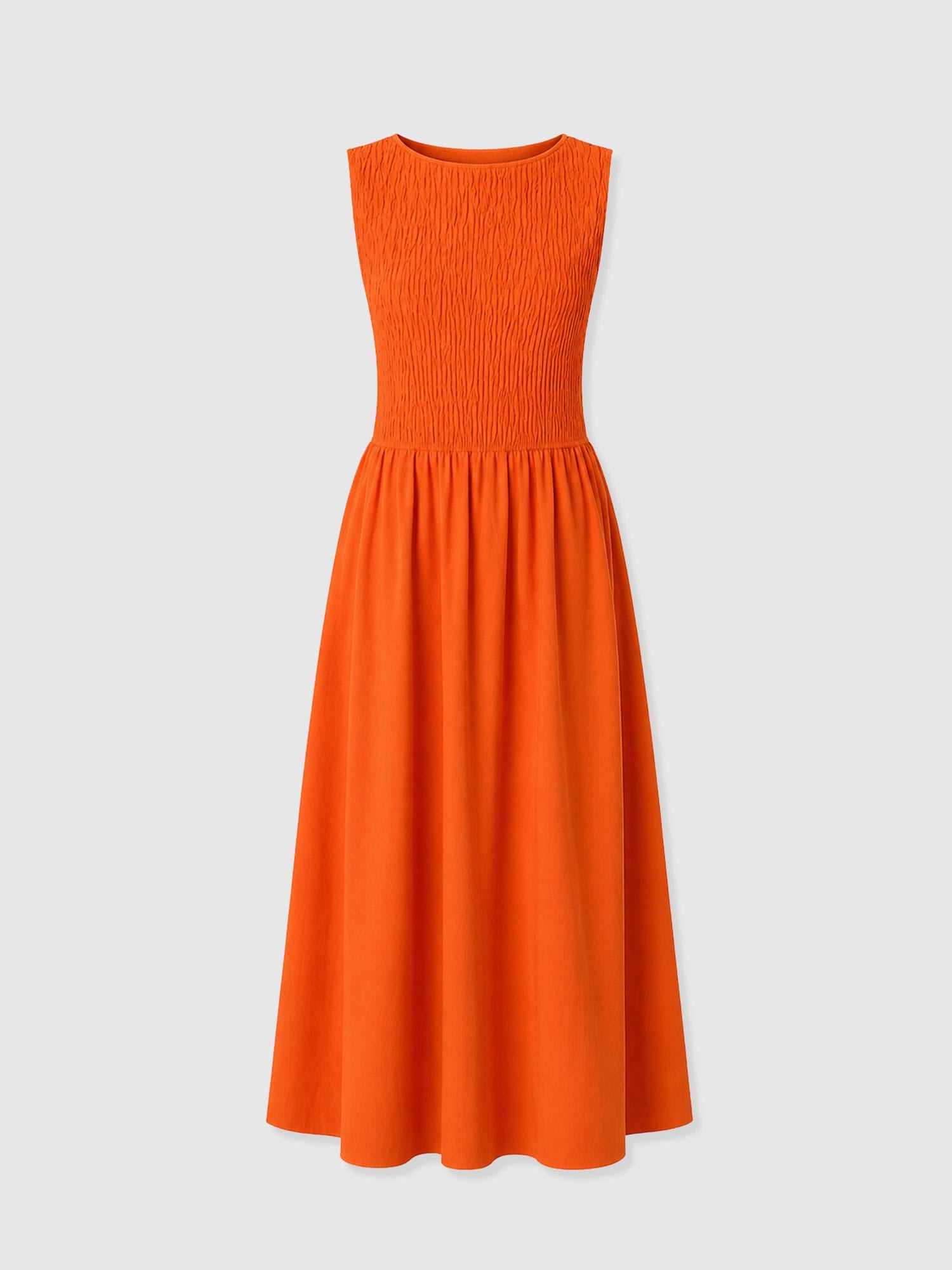
Importantly, neutral dressing does not necessarily mean avoiding colour entirely. Instead, contemporary minimalist wardrobes often use muted or earthy tones in more intentional ways.
The goal is harmony rather than visual noise.
This creates wardrobes that feel timeless and adaptable across seasons rather than heavily trend-driven.
Minimalism Works Digitally And Physically
Another reason minimalist fashion became so dominant is because it works exceptionally well across both digital and real-world environments.
Neutral palettes and clean silhouettes photograph beautifully online, helping minimalism spread rapidly across social media platforms. At the same time, minimalist wardrobes function effectively within everyday life because they prioritise versatility and comfort.
This balance between visual aspiration and practical wearability helped make minimalist dressing culturally powerful.
Consumers increasingly want clothing that looks refined online but still feels emotionally useful in real life.
The Rise Of Thoughtful Consumption
Minimalist wardrobes also reflect wider conversations around sustainability and thoughtful consumption.
People increasingly question whether constant trend purchasing genuinely creates satisfaction. Many consumers now prefer investing slowly in versatile pieces they will wear repeatedly rather than buying large quantities of temporary fashion.
This does not necessarily mean people buy less fashion overall. Instead, they buy differently.
Purchases become more considered. Fit, fabric and longevity matter more than immediate trend relevance. Emotional connection becomes central to decision-making.
Minimalism encourages wardrobes that feel intentional rather than reactive.
Why Minimalism Still Feels Relevant
Some critics argue minimalism risks becoming repetitive or overly safe. Yet the reason it continues resonating so strongly is because it reflects deeper lifestyle changes rather than temporary aesthetics alone.
Modern life feels increasingly fast, noisy and digitally saturated. Minimalist wardrobes offer simplicity, coherence and emotional calmness within that environment.
Importantly, contemporary minimalism no longer feels cold or overly controlled. The current movement embraces softness, texture and individuality alongside simplicity itself.
That evolution makes it feel far more emotionally sustainable than earlier minimalist eras.
The Future Of The Minimalist Wardrobe
The modern minimalist wardrobe will likely continue evolving rather than disappearing.
Fashion cycles always shift, but the values driving minimalist dressing remain deeply connected to contemporary lifestyles. Versatility, softness, comfort and emotional ease are unlikely to become irrelevant anytime soon.
What may change is how people personalise minimalism.
Texture, jewellery, vintage dressing and richer tonal palettes are already adding warmth and individuality into minimalist wardrobes. Fashion feels slightly less rigid and more instinctive than before.
Ultimately, the rise of the capsule wardrobe and elevated dressing reflects a broader desire for clarity within modern life.
People no longer want wardrobes that simply look fashionable. They want wardrobes that support how they actually live, move and feel every day. And increasingly, minimalist fashion offers exactly that balance.