

the rise ofContemporary Ballet Culture
Published 1st February 2026 | London, England
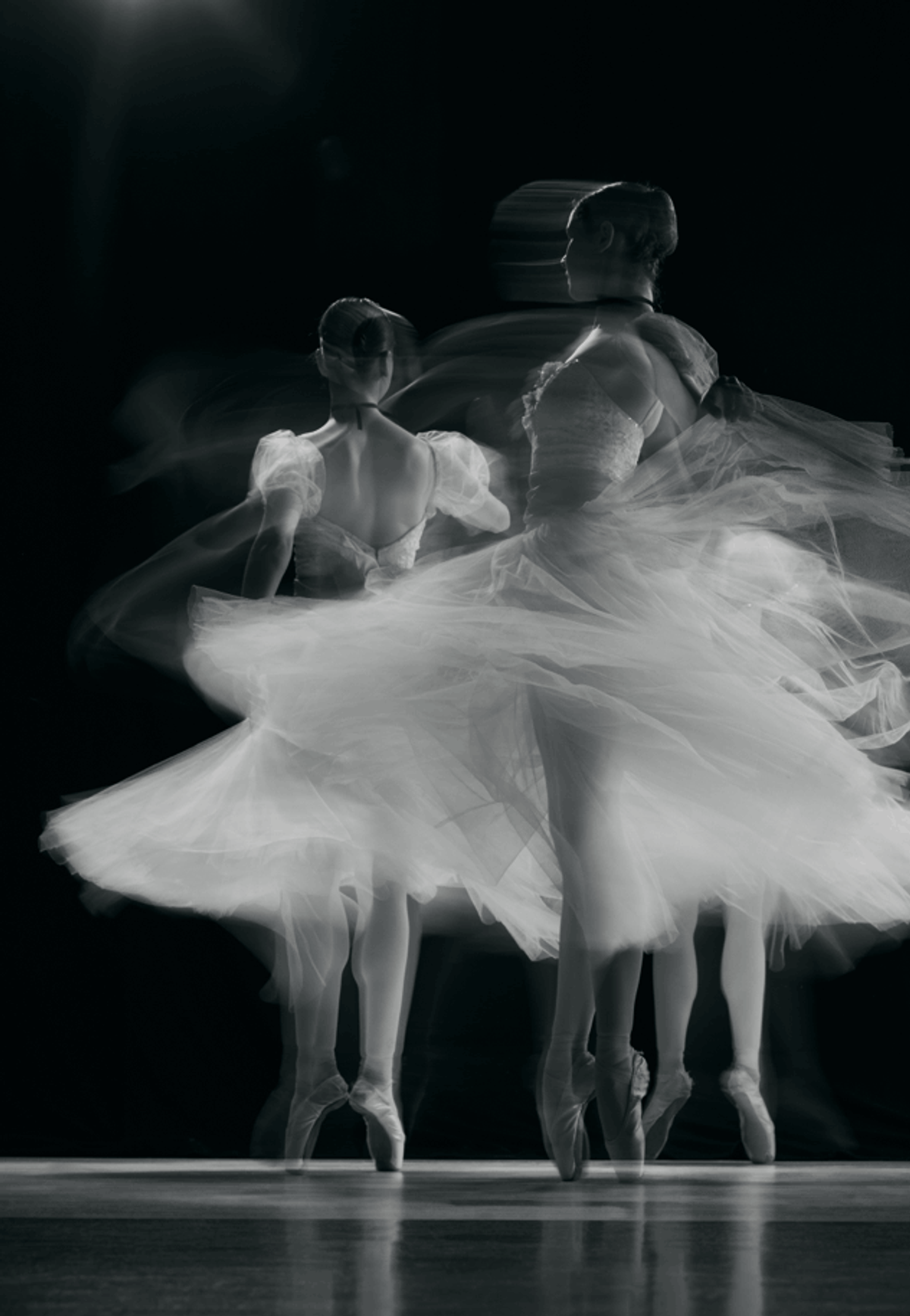
For years, ballet existed within a world that felt distant from mainstream culture. Traditional theatres, formal dress codes and highly classical productions often created the impression that ballet belonged to a different era entirely. While deeply respected artistically, it was not always viewed as part of modern creative life in the same way as fashion, music or contemporary art.
Now, however, ballet culture feels more relevant than it has in decades.
Across fashion, photography, wellness and modern dance culture, ballet is influencing aesthetics, movement and creativity in entirely new ways. Younger audiences are rediscovering ballet through contemporary productions, social media, fashion imagery and crossover collaborations with music and art. At the same time, dancers themselves are becoming cultural figures beyond the stage, influencing fashion campaigns, editorial shoots and creative industries more broadly.
Importantly, contemporary ballet is no longer defined purely by tradition. It is becoming softer, more modern and emotionally accessible while still retaining the extraordinary discipline and artistry that has always made it powerful.
The result is a cultural movement that feels elegant, creative and deeply inspiring.
Ballet Aesthetics Have Entered Fashion
One of the clearest signs of ballet’s growing cultural influence is its relationship with fashion.
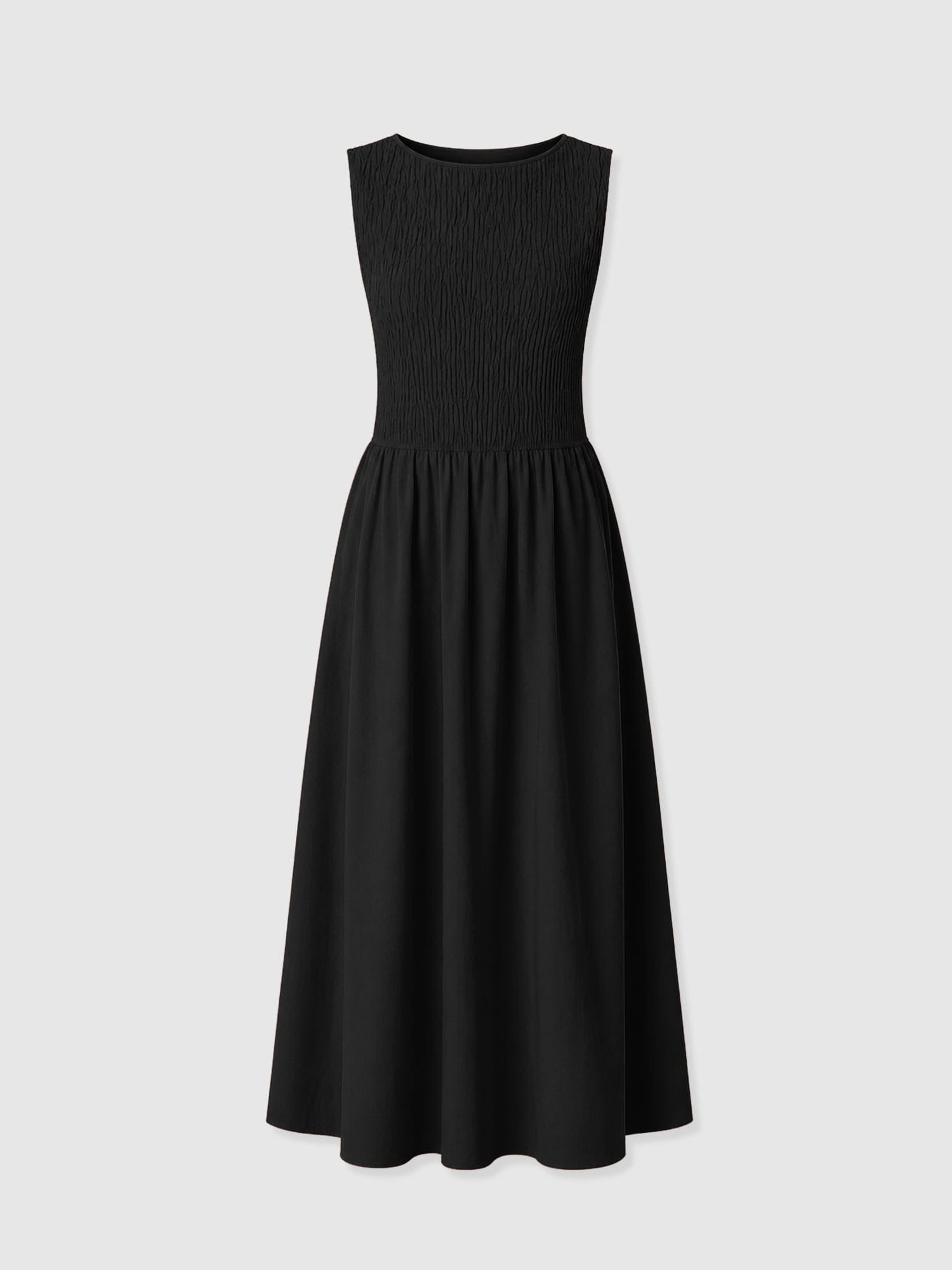
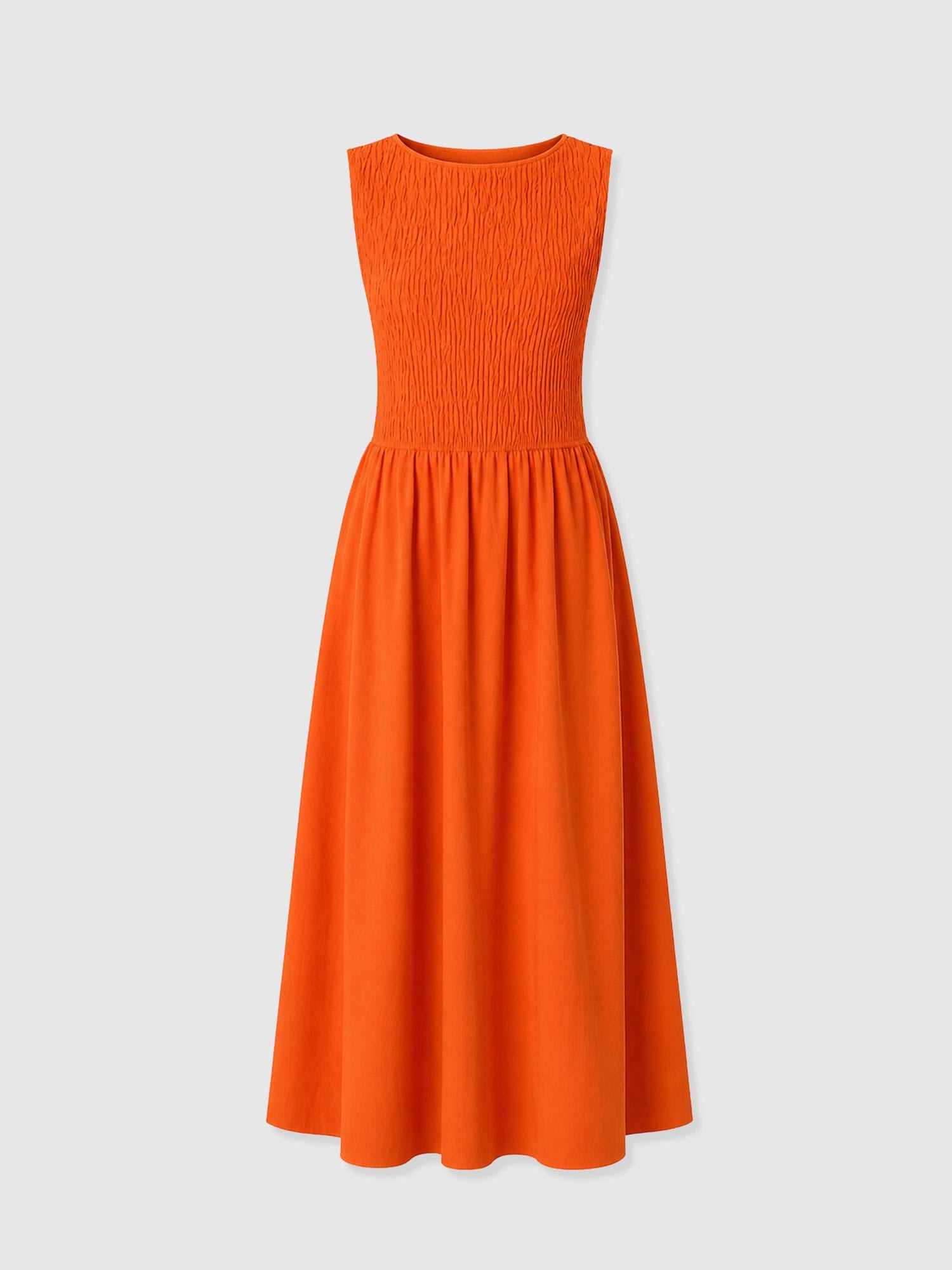
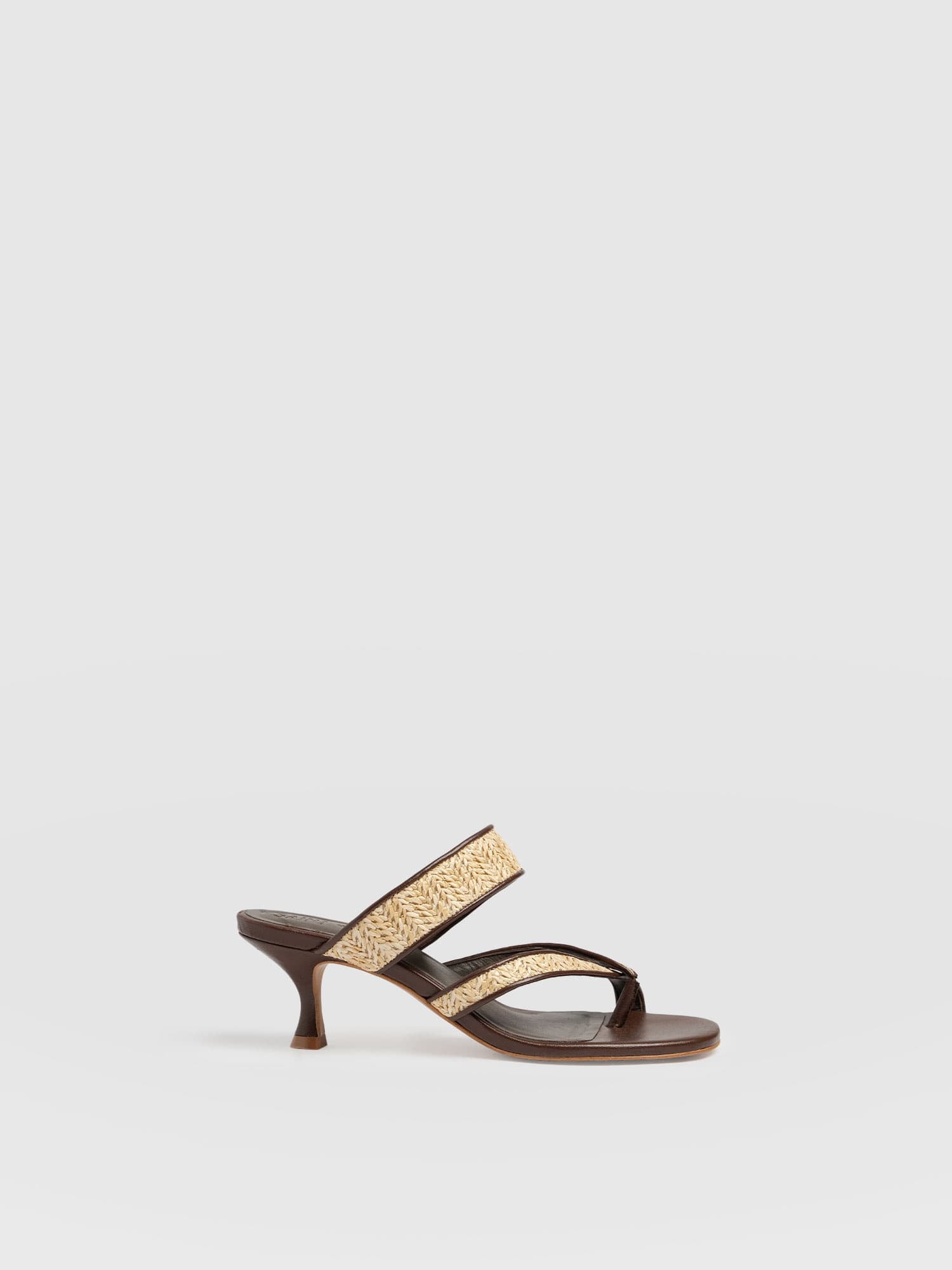
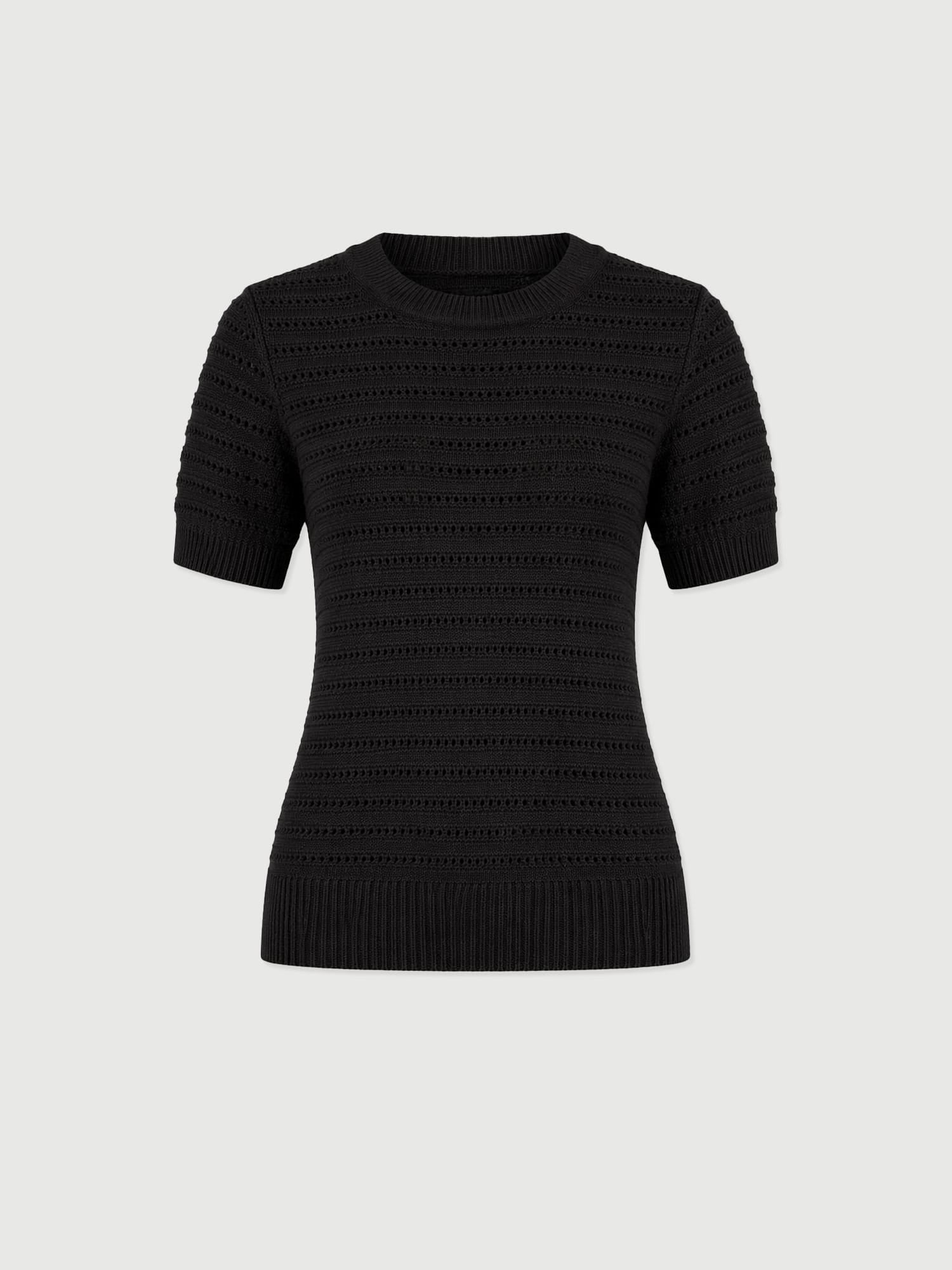
Over recent years, ballet-inspired styling has quietly moved from niche trend into wider contemporary dressing. Soft wrap knits, delicate flats, bodysuits, ribbed fabrics and muted colour palettes have all become central parts of modern wardrobes. The influence extends beyond clothing into posture, movement and overall visual atmosphere.
Fashion’s embrace of softness and femininity naturally overlaps with ballet aesthetics. Contemporary luxury increasingly values fluidity, elegance and ease rather than overt statement dressing. Ballet reflects those qualities perfectly.
Designers have long referenced dance culture, but now the connection feels more embedded within everyday fashion itself. Even the popularity of softer tailoring and graceful silhouettes reflects the wider cultural shift towards movement and emotional dressing.
Social Media Changed Ballet’s Visibility
Digital platforms have also transformed the way audiences engage with ballet culture.
Previously, ballet existed largely inside theatres and specialist institutions. Today, dancers share rehearsals, backstage moments and performances directly through social media, creating far greater intimacy and accessibility around the art form.
Audiences now see ballet not only as performance but as lifestyle, discipline and creative expression.
This visibility has introduced younger generations to contemporary ballet in ways that feel personal and relatable. The intense physicality, elegance and dedication behind dance training resonate strongly within modern wellness and creative culture.
Importantly, ballet imagery translates beautifully online. Movement, posture and visual minimalism all align naturally with contemporary aesthetics across fashion and photography platforms.
Contemporary Productions Feel More Relevant
Part of ballet’s resurgence comes from the way productions themselves are evolving.
Contemporary ballet companies increasingly experiment with music, set design, lighting and storytelling in ways that feel emotionally modern. Productions often blend classical technique with contemporary movement, electronic music and cinematic visual direction.
This creates performances that feel culturally connected rather than historically distant.
Companies such as Sadler’s Wells in London continue pushing boundaries through collaborations with choreographers, musicians and visual artists from multiple creative disciplines. Ballet increasingly overlaps with theatre, fashion and performance art rather than existing separately from them.
The result feels more immersive and emotionally accessible for modern audiences.
Ballet And Wellness Culture
The rise of wellness culture has also contributed significantly to ballet’s renewed popularity.
People increasingly value movement practices that combine physical strength with mindfulness and elegance. Ballet-inspired fitness classes, barre workouts and dance training have all become widely popular because they emphasise posture, control and fluidity rather than intensity alone.
There is also something psychologically appealing about ballet’s focus on discipline and precision within an overstimulated modern world. The structure and concentration required by dance training offer a form of mental escape from digital noise and constant distraction.
Ballet feels intentional and deeply physical in ways many contemporary experiences no longer do.
Photography And Ballet Share The Same Language
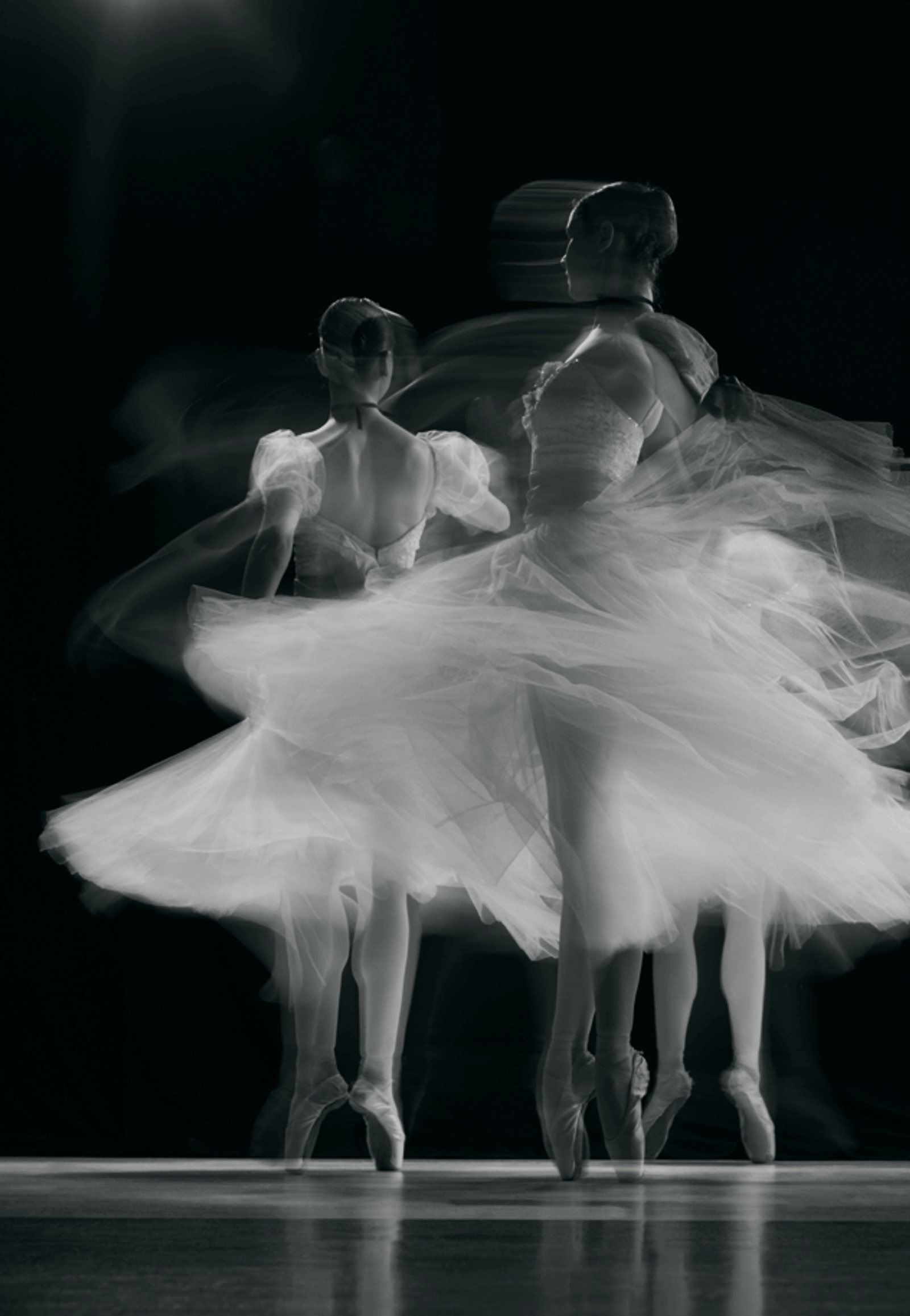
Fashion photography and contemporary ballet now feel increasingly interconnected visually.
Movement has returned strongly to fashion imagery after years dominated by static minimalism. Photographers increasingly embrace fluidity, motion blur and emotional body language rather than rigid perfection. Ballet naturally influences this aesthetic because dancers communicate through posture and movement with extraordinary precision.
Many fashion campaigns now reference dance culture directly through casting, styling and choreography. Dancers themselves frequently appear within editorials because they bring natural elegance and emotional expression that traditional modelling sometimes lacks.
This relationship benefits both industries creatively.
Ballet Feels Aspirational Again
Part of what makes contemporary ballet culture so appealing right now is that it represents aspiration in a softer and more emotionally intelligent way than traditional luxury culture.
Ballet communicates discipline, beauty and artistry without relying on overt status symbols. It feels refined, thoughtful and deeply connected to creativity rather than consumption alone.
In many ways, contemporary ballet reflects wider cultural shifts happening across fashion and design. Consumers increasingly value atmosphere, emotion and experience over obvious display. Ballet aligns naturally with those priorities because it centres around movement, artistry and emotional storytelling.
London’s Ballet Culture
London has become one of the most exciting cities for contemporary ballet culture.
Institutions such as the Royal Opera House and Sadler’s Wells continue attracting global audiences while also supporting experimental and interdisciplinary productions. The city’s wider creative industries also overlap naturally with dance culture through photography, fashion and music collaborations.
Many younger London creatives increasingly engage with ballet not simply as performance but as creative inspiration more broadly. The aesthetics, discipline and emotional atmosphere surrounding dance culture influence everything from fashion editorials to wellness spaces and visual storytelling.
Why Ballet Resonates Right Now
Ultimately, the rise of contemporary ballet culture reflects a wider desire for beauty, discipline and emotional depth within modern life.
In a fast-moving digital culture dominated by short attention spans and constant stimulation, ballet offers something completely different. Precision. Focus. Movement. Grace. Time.
It feels tactile and human.
Contemporary ballet also reminds audiences that elegance does not need to feel outdated or inaccessible. Through fashion, photography and creative collaboration, ballet has evolved into something softer, more modern and culturally connected without losing its artistic integrity.
That balance is exactly what makes it feel so relevant right now.
Ballet is no longer confined to theatres alone. It has become part of the wider creative conversation again.
And increasingly, that conversation feels more inspiring than ever.