

the making of aSaint and Sofia Knitwear Collection
Published 26th March 2022 | London, England
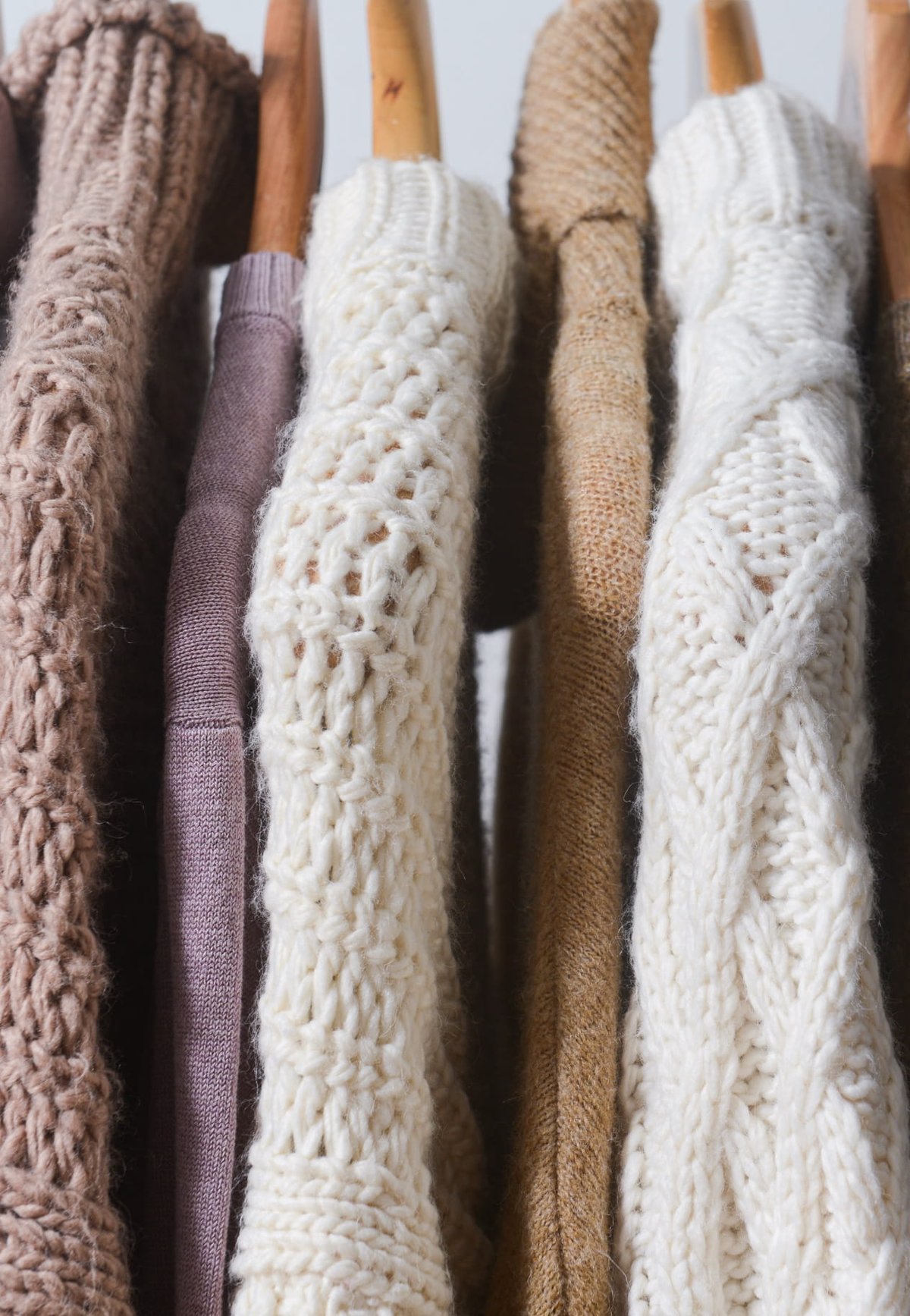
Few pieces work harder in a wardrobe than great knitwear.
A beautifully designed knit can be worn throughout the year, layered across seasons and styled in countless ways. It brings comfort, texture and versatility to everyday dressing while often becoming one of the most reached-for pieces in a wardrobe. Yet while knitwear may appear simple, its development is one of the most technical and intricate processes within fashion design.
At Saint and Sofia, every knit begins long before the first sample arrives. Behind every jumper, cardigan and knitted dress is a process involving months of design development, yarn selection, fit refinement and specialist craftsmanship. This is the story of how a Saint and Sofia knitwear collection comes to life.
Designing Knitwear For Modern Life
Every collection starts with a simple question: what do women want to wear now?
Our design team spends significant time analysing customer feedback, reviewing bestselling styles and understanding how wardrobes continue to evolve. Knitwear remains one of the most important categories because it offers something increasingly valuable in modern fashion: versatility.
A great knit should feel as relevant with denim as it does with tailoring. It should layer effortlessly under outerwear, work across multiple seasons and feel comfortable enough to wear on repeat. Rather than creating knitwear purely for trend-driven moments, our focus is on designing pieces that become long-term wardrobe staples. This philosophy shapes every stage of the knitwear development process.
Finding Inspiration
Like every Saint and Sofia collection, knitwear design begins with inspiration.
Mood boards quickly fill with references gathered from architecture, interiors, art, photography and travel. Sometimes inspiration comes from the clean lines of modern design. Other times it comes from vintage knitwear discovered in markets, archives or old photographs.
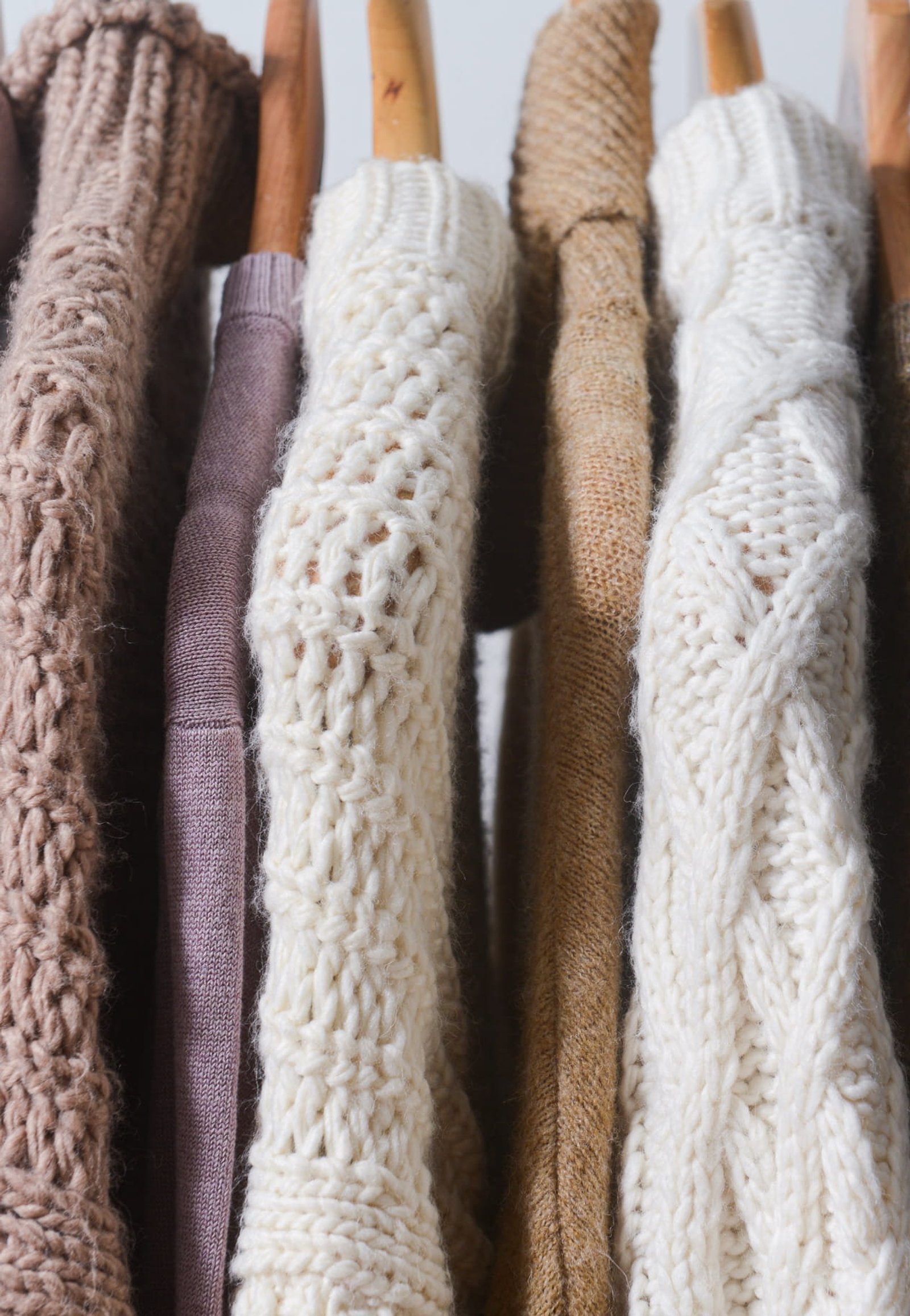
Texture plays a particularly important role in knitwear development. The team explores different stitch patterns, rib structures and surface treatments to understand how a garment can feel both contemporary and timeless.
Colour is equally important. Seasonal palettes are developed to sit effortlessly alongside the wider collection, ensuring knitwear complements dresses, tailoring and outerwear across the season. The goal is not simply to create beautiful knitwear but to create knitwear that fits seamlessly into real wardrobes.
The Importance Of Yarn Selection
One of the most important stages of knitwear design is choosing the right yarn.
The yarn determines how a knit feels, how it drapes, how it performs and how it ages over time. Two identical designs can feel completely different depending on the yarn used.
Throughout the development process, our design and sourcing teams work closely with specialist yarn suppliers across Europe. Dozens of yarn qualities are reviewed, tested and compared before final decisions are made.
Softness is important, but it is only one consideration.
The team also evaluates:
- Durability
- Shape retention
- Weight
- Breathability
- Texture
- Colour consistency
- Ease of care
The objective is always to strike the right balance between comfort, performance and longevity.
Turning Sketches Into Knits
Once a design direction has been established, the technical work begins.
Unlike many woven garments, knitwear is effectively engineered from yarn. Designers work closely with specialist knitwear technicians to translate sketches into technical specifications that determine every aspect of the finished garment.
This includes:
- Stitch structures
- Gauge selection
- Rib construction
- Neckline development
- Sleeve shaping
- Hem finishes
- Yarn combinations
Every decision influences how the knit will ultimately fit, feel and perform. This stage requires a blend of creativity and technical expertise, making knitwear development one of the most specialised areas within fashion craftsmanship.
The First Sample
The arrival of a first knit sample is always an exciting moment.
What previously existed as sketches, technical drawings and yarn swatches finally becomes a wearable garment.
Yet the first sample is rarely the finished product.
The design team reviews every detail, assessing proportions, fit, drape and overall appearance. Small changes often have a significant impact. A neckline may need refining. A sleeve length may be adjusted. A rib detail might be reworked. Sometimes a yarn performs differently than expected, requiring further development. This stage is about refinement rather than reinvention. The strongest designs often emerge through multiple rounds of subtle improvements.
Perfecting The Fit
Fit is central to every Saint and Sofia collection, and knitwear is no exception.
The challenge with knitwear is that it behaves differently from woven fabrics. Stretch, recovery and movement must all be carefully considered throughout the fitting process.
Garments are repeatedly fitted and reviewed to ensure they perform as intended across a range of body shapes and sizes.
The team considers questions such as:
- Does the knit skim the body in the right way?
- Does the shoulder sit correctly?
- How does the fabric move when worn?
- Will the garment retain its shape over time?
- The objective is always to create knitwear that feels as good as it looks.
Creating Texture And Character
One of the reasons knitwear remains so enduringly popular is its ability to create texture. Unlike many fabrics, knitwear can be engineered to create visual depth, softness and structure within the garment itself. Through stitch development, cable details, ribbing and surface finishes, designers can create pieces that feel distinctive without relying on prints or embellishment.
At Saint and Sofia, texture often becomes the defining feature of a knit.
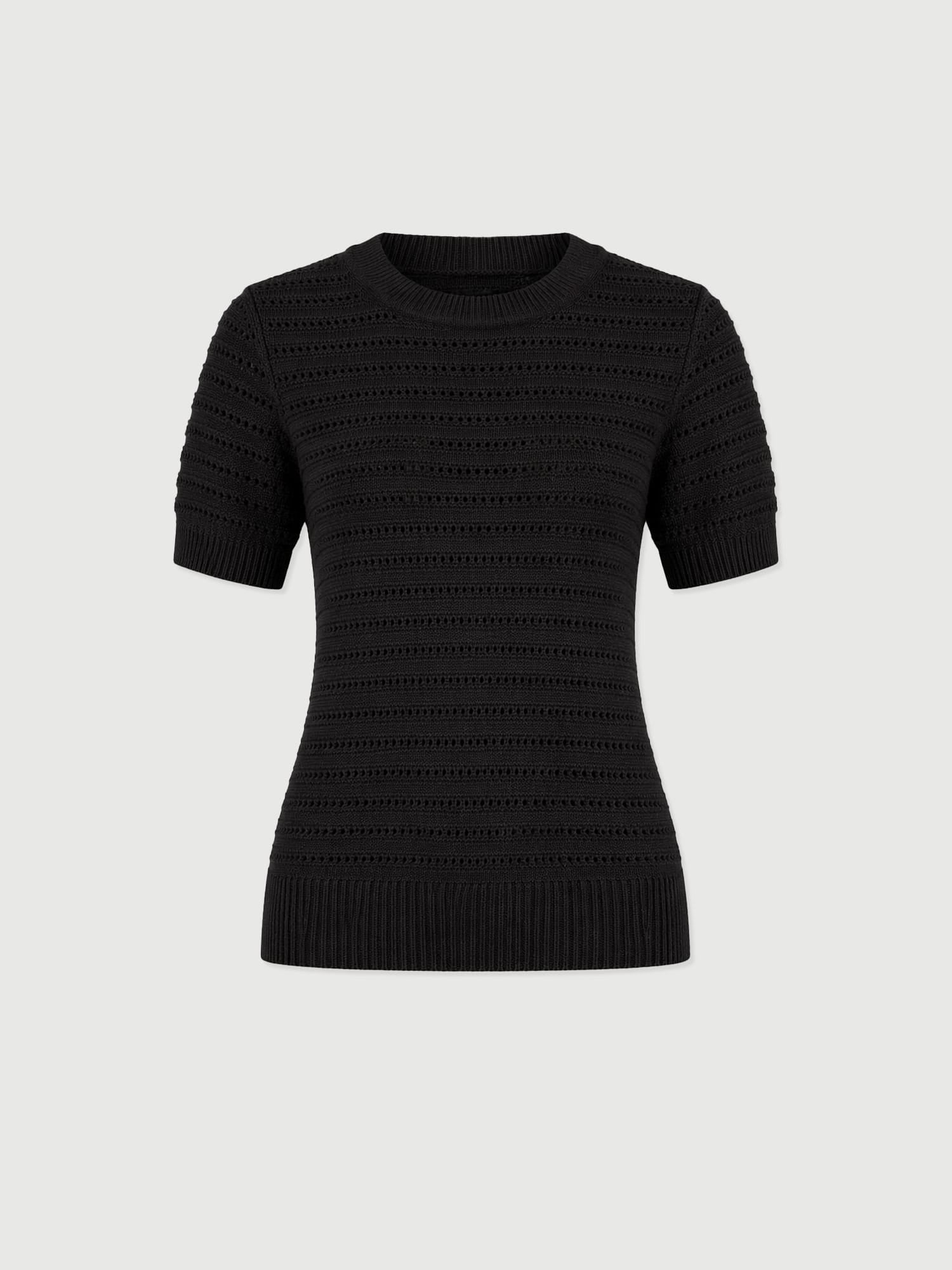
Sometimes that means a beautifully clean Milano stitch. Other times it might involve a chunky rib structure, subtle pointelle detailing or an intricate knitted pattern. These details are often understated, but they play an important role in giving a garment personality and longevity.
Building A Knitwear Collection
Individual styles are only part of the story. Every knit must work within the wider collection. The design team carefully considers how each piece interacts with tailoring, denim, dresses and outerwear. Colours are balanced across categories. Silhouettes are developed to complement other products. Fabric weights are selected to ensure versatility throughout the year.
This approach helps create collections that feel cohesive rather than fragmented. Customers rarely buy individual pieces in isolation. They build wardrobes over time. Creating knitwear that integrates effortlessly into those wardrobes remains one of our primary design objectives.
Why Craftsmanship Still Matters
Fashion continues to evolve, but craftsmanship remains at the heart of great product design.
While technology has transformed many aspects of the industry, creating exceptional knitwear still requires expertise, patience and attention to detail. From yarn development and stitch engineering to fit refinement and finishing, every stage contributes to the quality of the final garment. This commitment to craftsmanship is what allows a knit to become more than simply another item of clothing. It becomes a piece that customers reach for repeatedly, season after season.
From Studio To Wardrobe
By the time a Saint and Sofia knit reaches a customer's wardrobe, it has often been in development for many months.
What appears effortless is the result of countless decisions made by designers, technicians, sourcing specialists and craftspeople working together. Every stitch, silhouette and yarn has been carefully considered. Because great knitwear isn't just about warmth or comfort. It's about creating pieces that become part of everyday life. And that journey always begins with a sketch, a yarn and an idea in our London studio.
Frequently Asked Questions
How is knitwear designed?
Knitwear design begins with inspiration, sketching and yarn selection before moving into technical development, sampling, fitting and refinement.
What is knitwear development?
Knitwear development is the process of creating knitted garments through yarn sourcing, stitch engineering, sampling, fit testing and production planning.
Why is knitwear more technical than other garments?
Knitwear is engineered directly from yarn, requiring specialist knowledge of stitch construction, gauges, yarn behaviour and garment shaping.
How long does it take to develop a knitwear collection?
Most knitwear styles go through several months of development, including design, sampling, fitting and refinement before production.
What makes high-quality knitwear?
High-quality knitwear combines premium yarns, thoughtful design, technical craftsmanship, excellent fit and durable construction.